

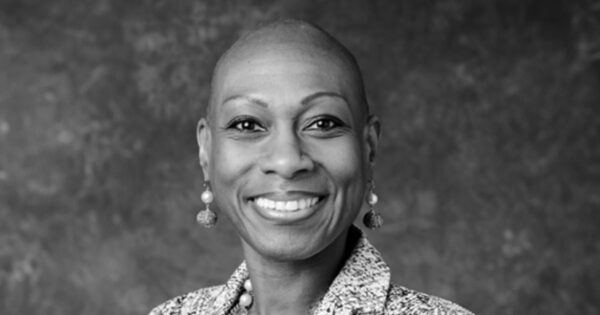
The statistics paint a grim picture. Black women in long hours, burdened by the pursuit of “Black excellence,” succumb to chronic stress and ill health. We offer our blood, sweat and tears, only to be told it’s not enough.
Antoinette Candia-Bailey’s story is not an anomaly; it’s a tragic symptom of a systemic disease. It’s a call to action, a cry for corporate America to shed the performance of diversity and embrace genuine inclusion and equity. Doubling down on DEI is not just the right thing, it’s the urgent, strategic move that will fuel our future success.
Why? Beyond the moral imperative lies a business impact that companies often overlook:
We’re bleeding talent. As the most recent “Women in the Workplace” report starkly reveals, microaggressions are a mental minefield, breeding grounds for low morale, burnout and a desperate yearning to escape. Diverse minds and voices offer unique perspectives and drive innovation. Stifling them through biased misperceptions or a culture of microaggressions leads to wasted potential and lost competitive edge. We can’t afford that in today’s dynamic landscape.
Psychological safety isn’t optional, it’s essential. Fostering psychological safety through inclusive environments, flexible work options, and neurodiversity-friendly accommodations is not just compassionate, it’s strategically smart. It unlocks the full potential of every individual, leading to happier, more productive teams.
Representation isn’t a trophy, it’s a bridge. Seeing diverse leaders isn’t just aspirational, it’s crucial. It creates empathy, understanding and mentorship channels for those navigating similar paths. Diverse leadership understands the nuances of different lived experiences and can guide others through the systemic hurdles they have overcome. It’s not just about optics, it’s about building bridges for the future.
Antoinette Candia-Bailey may be gone, but her legacy lives on. It lives in the collective pain of Black women, in the deterioration unchecked environments have on our mental health, and in the quiet defiance of neurodivergent minds.

This is not just about mourning a brilliant mind lost, but about confronting the systemic inequities that pushed her, and countless others, over the edge. It’s a demand for action, for genuine introspection, for a corporate landscape where neurodivergence and mental health are not liabilities, but valued and accepted elements of the human experience. It’s a glaring reminder of the cost we, Black women in corporate America, pay for the elusive prize of “success.”